Altitude Medicine
Dr Lawrence maintains a clinical interest in altitude-related illness and the physiological challenges of high-altitude travel. Having served as a medical officer on treks to Mt Kilimanjaro and the Peruvian Andes, he has first-hand experience in managing health in remote, high-altitude environments.
-
Individuals planning a high-altitude expedition or trek can book a dedicated medical review. These consultations are focused on ensuring a safe and successful journey through:
Risk Assessment: A review of your medical history and any pre-existing conditions in the context of your specific itinerary and rate of ascent.
Altitude Illness Management: A discussion on the prevention and management of Acute Mountain Sickness (AMS), HACE, and HAPE.
Prophylaxis: Guidance on the evidence-based use of medications, such as Acetazolamide (Diamox), and advice on medical kit requirements.
-
To provide accessible preparation for travellers across Australia, altitude reviews can be conducted via Telehealth. These appointments allow for a detailed discussion regarding acclimatisation strategies and physiological preparation.
Requirements for Appointment
As with all specialist medical consultations, a GP referral is required. It is recommended to book your review at least 6–8 weeks prior to your departure date.
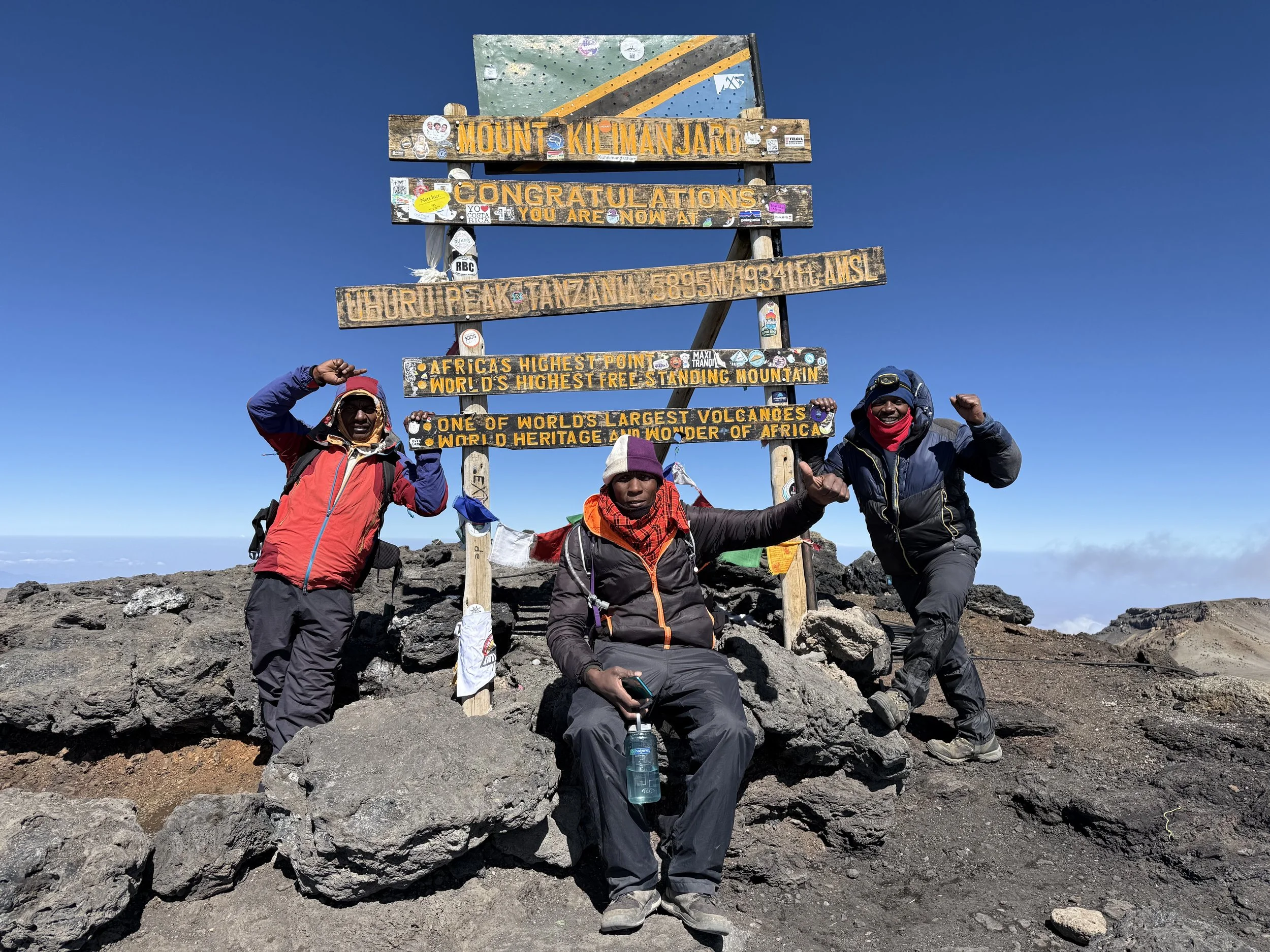
Understanding Altitude-Related Illness
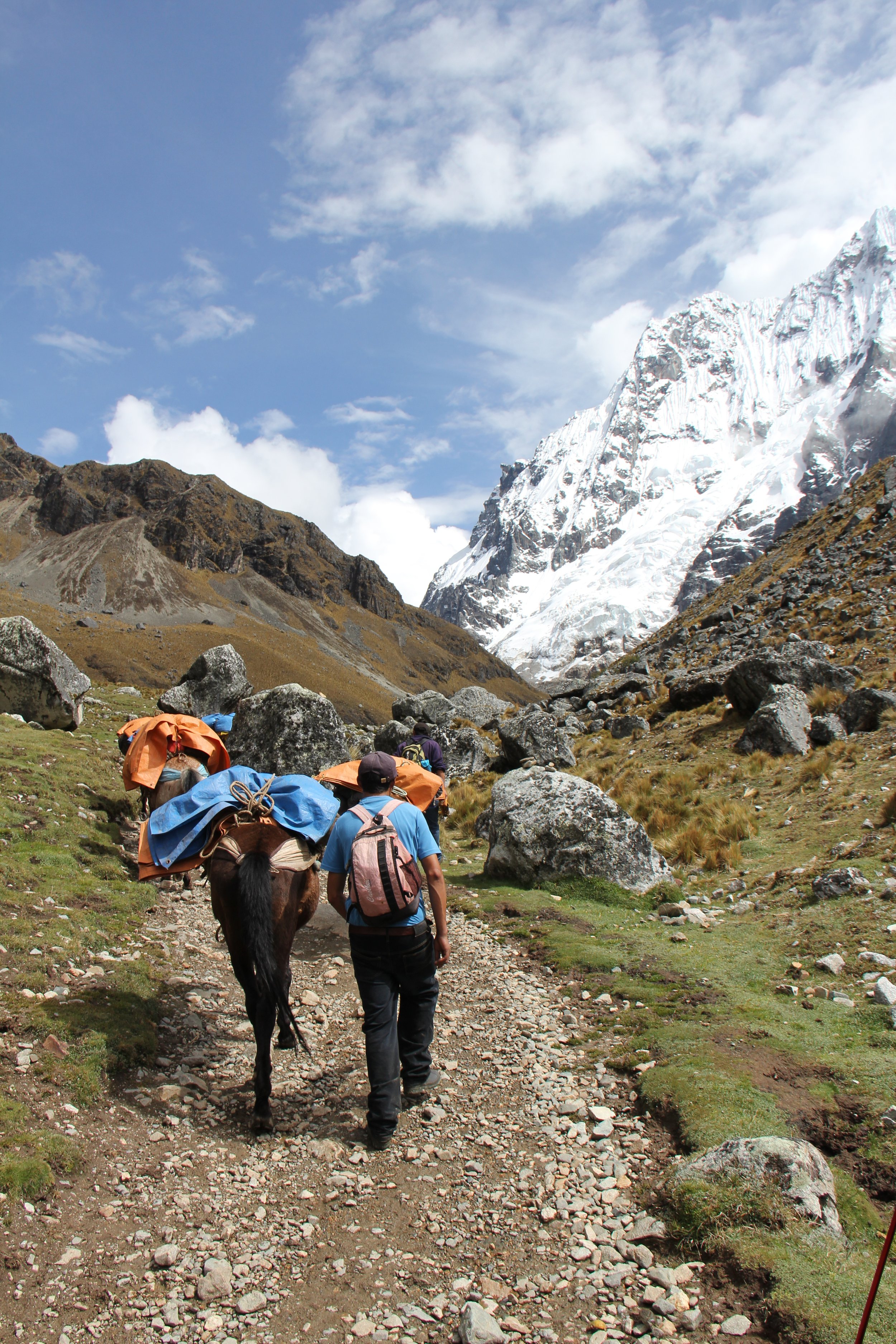
Salkantay pass, Peru - 4600m
Travelling to high altitude (typically defined as above 2,500m) significantly decreases the amount of oxygen available to the body. While most individuals can acclimatise successfully given enough time, rapid ascent or pre-existing factors can lead to a spectrum of altitude-related conditions.
The Spectrum of Altitude Illness
Acute Mountain Sickness (AMS): The most common form of altitude illness. It often presents with symptoms of headache, fatigue, loss of appetite, and nausea. AMS is a signal that the body requires more time to acclimatise before ascending further.
High-Altitude Cerebral Edema (HACE): A more severe and potentially life-threatening progression of AMS involving swelling of the brain. It is characterised by ataxia (unsteadiness or loss of coordination) and altered mental states or confusion.
High-Altitude Pulmonary Edema (HAPE): A serious condition where fluid builds up in the lungs, hindering oxygen exchange. This can occur independently of AMS and is marked by significant shortness of breath (even at rest), a persistent cough, and extreme fatigue.
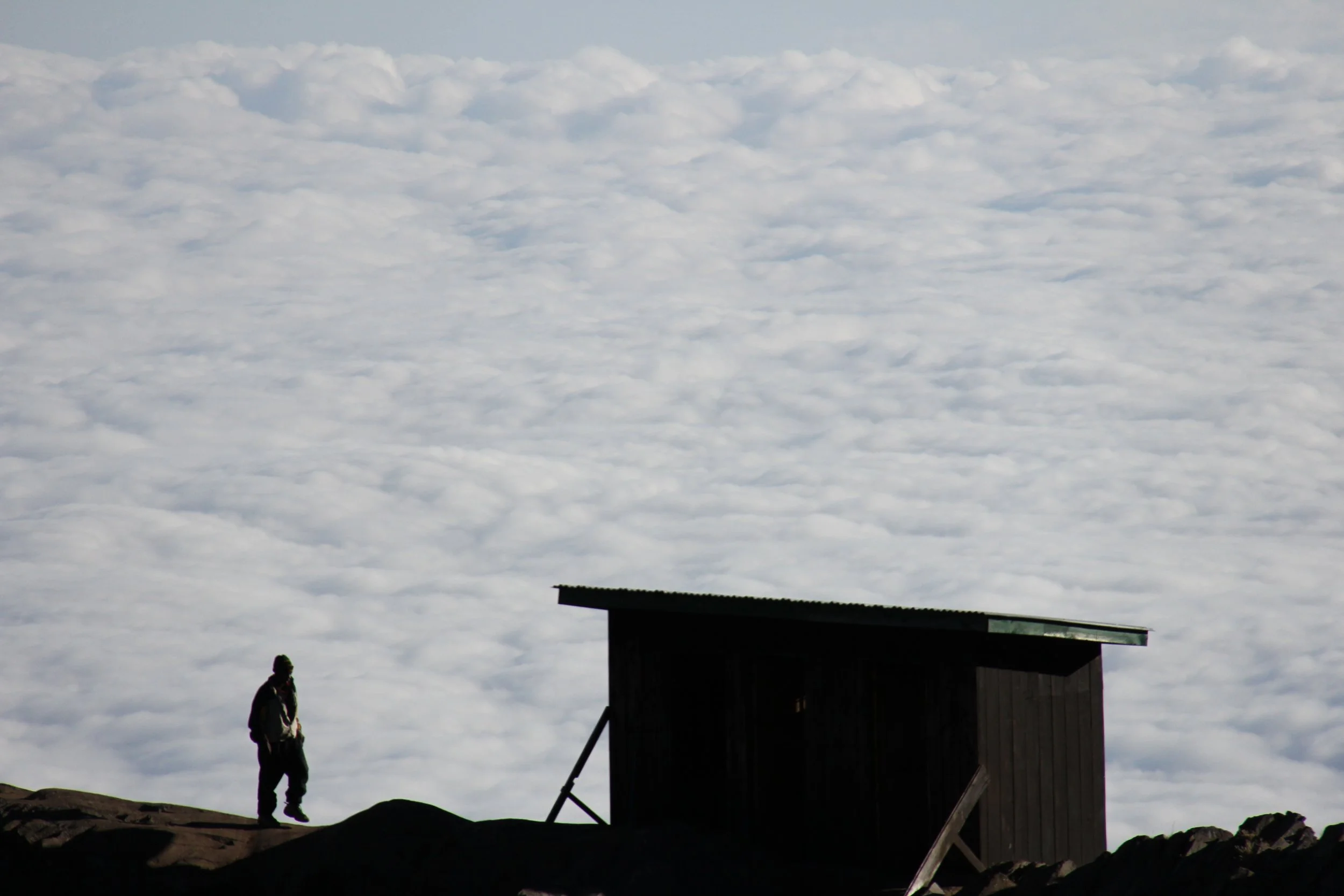
Mawenzi Tarn, Mt Kilimanjaro, Tanzania - 4300m
Principles of Prevention
The primary strategy for managing altitude illness is prevention through gradual acclimatisation.
Ascent Rate: The most critical factor is the rate of ascent. Following the "climb high, sleep low" principle and incorporating rest days allows the body to start to physiologically adapt to a low oxygen environment.
Hydration and Nutrition: Maintaining adequate fluid intake and a high-carbohydrate diet supports the metabolic demands of acclimatisation.
Pharmacological Support: In certain cases, medications such as Acetazolamide (Diamox) may be discussed during a consultation to help the body adjust more rapidly to lower oxygen levels.
Note: While physical fitness is beneficial for the rigours of trekking, it does not provide immunity to altitude illness. Every individual's physiological response to hypoxia is different.